
Wellness Without Willpower
What Singapore's Super-Ageing Strategy Teaches Us About Participation
Singapore became a “super-aged” society in 2026, with more than one in five citizens aged 65 or older.
The conventional response to such a demographic shift is to focus on care. On managing decline.
Singapore’s response is different.
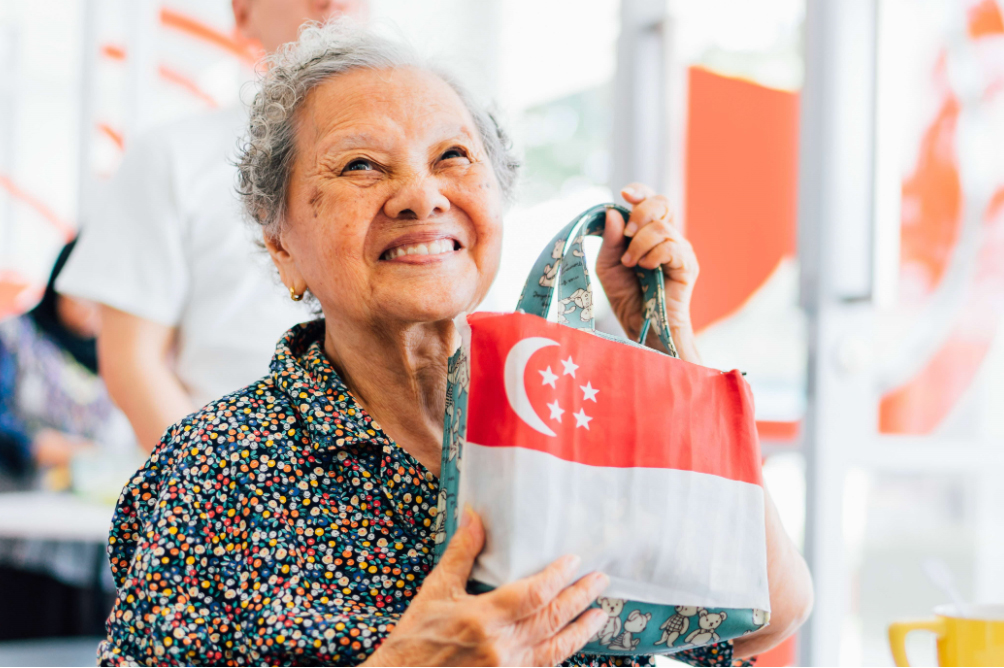
Rather than treating ageing as a problem to be managed, the government has invested S$3.5 billion in a national programme called Age Well SG. Its aim: to keep seniors active, connected and participating in their communities.
The strategy is built on a simple insight. Health does not come from occasional effort. It comes from what is repeated.
The National Steps Challenge
Since 2015, Singapore has run the National Steps Challenge, providing free wearable trackers to participants and rewarding them with vouchers for meeting daily step targets.
Over 2.1 million people have participated. One study showed older participants increasing their daily step count by an average of 1,400 to 2,300 steps. Projections suggest the programme will prevent thousands of cases of diabetes and hypertension while reducing healthcare costs by an estimated S$448 million.
Not through intensity. Through participation.
Active Ageing Centres
Singapore has built a network of over 230 Active Ageing Centres, now accessible to eight in ten seniors. These centres offer free or low-cost activities across five domains: social, physical health, cognitive, learning and volunteerism.
Walking in is the only requirement.
Parkour for the Elderly
One coach decided to teach parkour techniques to seniors. After two months of practice, a 64-year-old woman had ditched her support trolley and was walking unaided. Today his classes have gone viral—participants in their 60s and 70s learning to fall safely, build agility and maintain confidence in their own bodies.
The lesson is not that everyone should take up parkour. It is that participation can begin anywhere. One small decision. One new movement. One step back into life.
The Golden Ticket Connection
Japan’s health culture has long demonstrated that health does not rely on willpower when it is built into daily life. Singapore is demonstrating the same principle on a national scale—through policy, infrastructure and incentive.
The Golden Ticket follows the same logic.
One habit. Done daily. Visible to others.
In the same way that the National Steps Challenge made walking a collective activity, the Golden Ticket makes one small health change a declaration.
A Different Way Forward
Health does not come from occasional effort.
It comes from what is repeated.
And what is repeated is shaped by the environment around us—the habits we see, the behaviours we share, and the standards we adopt.
That is the lesson.
Not from a programme.
From nations that chose to make health part of everyday life.
I’M 👍 IN